Free-lance curator/director based in Madrid, Spain, working either in public and private spaces since 1987
Portera Archive
- Curatorial team and organization: Alicia Chillida, Guest Curator; Fundación Juan March, Manuel Fontán del Junco, Director Museums and Exhibitions; Marta Suárez-Infiesta, Project Coordinator; Antoni Ferragut Cànaves, Museu Fundación Juan March, Palma; David Plaza Sagrado, Museo de Arte Abstracto Español, Cuenca.
- Curatorial assistant: Irene Benito
- Lugar: Museo de Arte Abstracto Español, Fundación Juan March, Cuenca (noviembre 2024-enero 2025) y Museu Fundación Juan March, Palma (junio-octubre 2025); y IAACC Pablo Serrano, Zaragoza (febrero 2026-enero 2027).
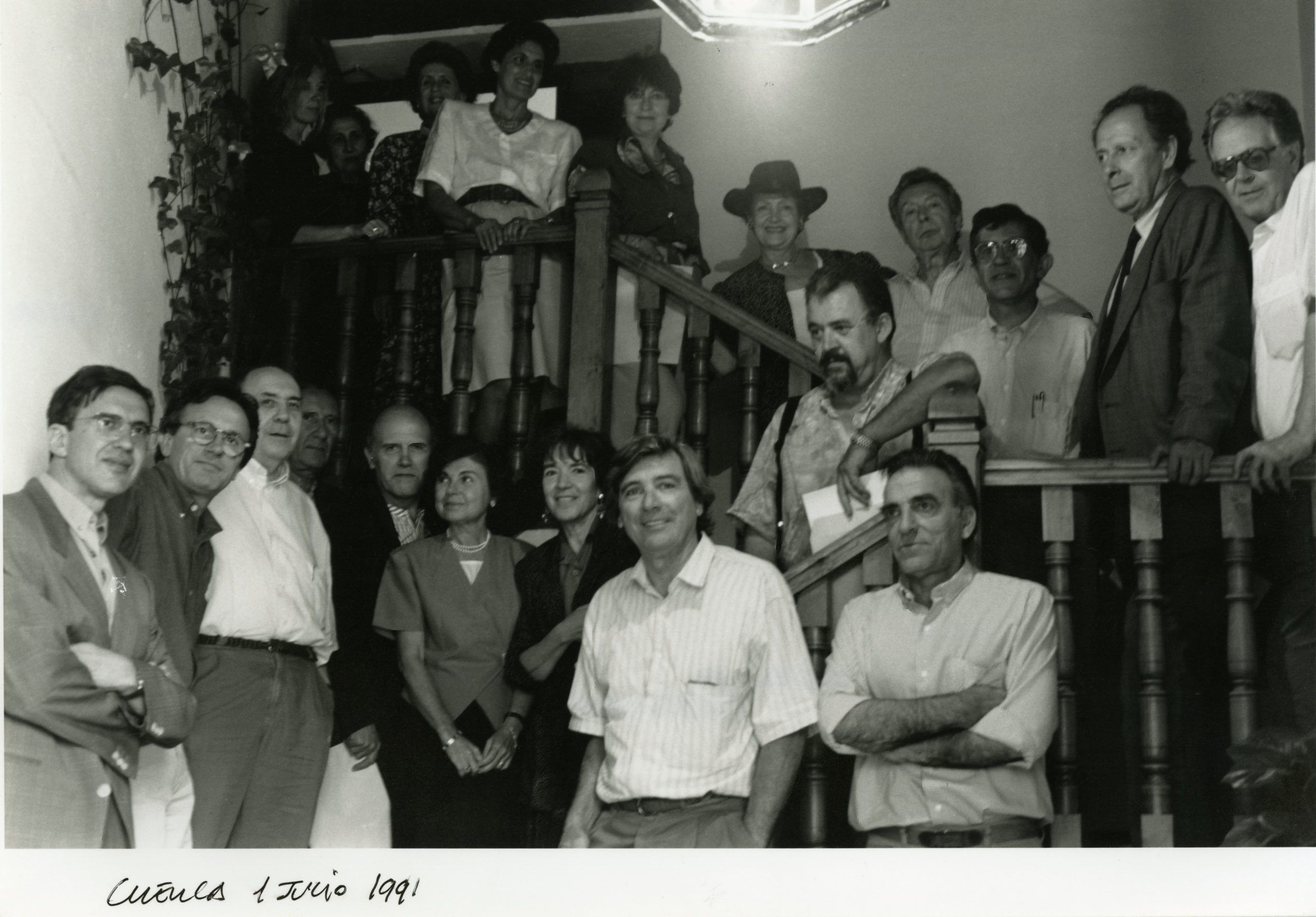

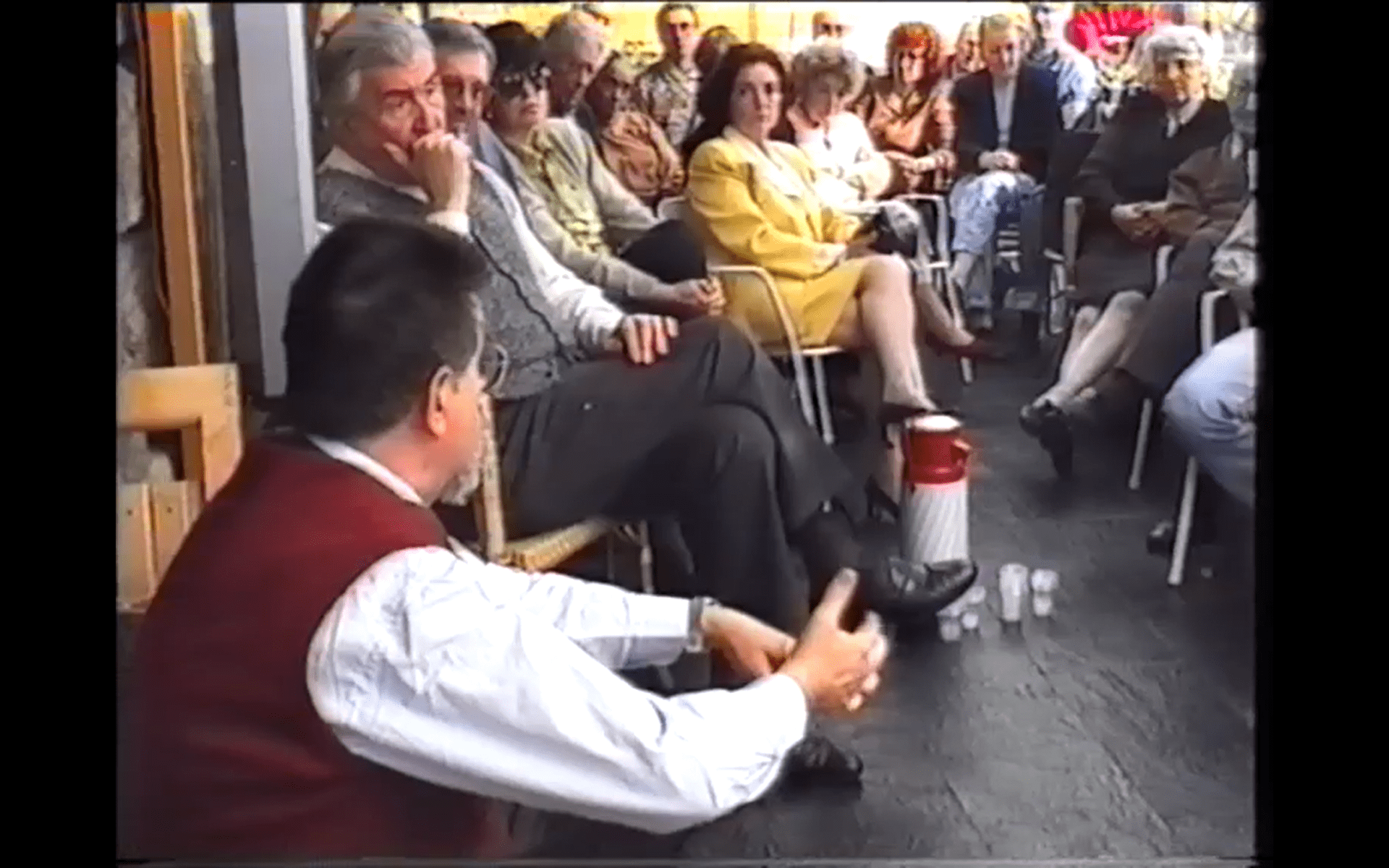
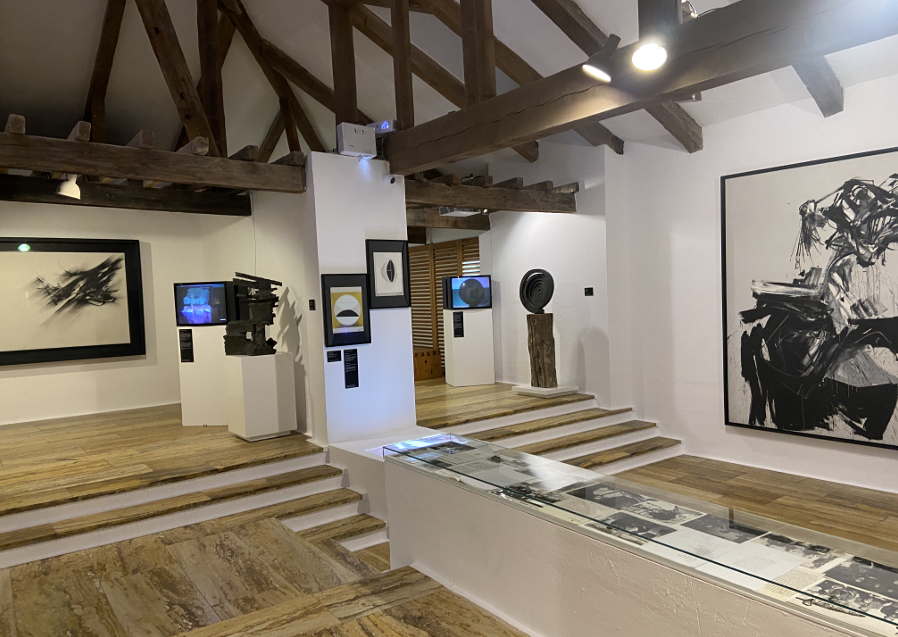
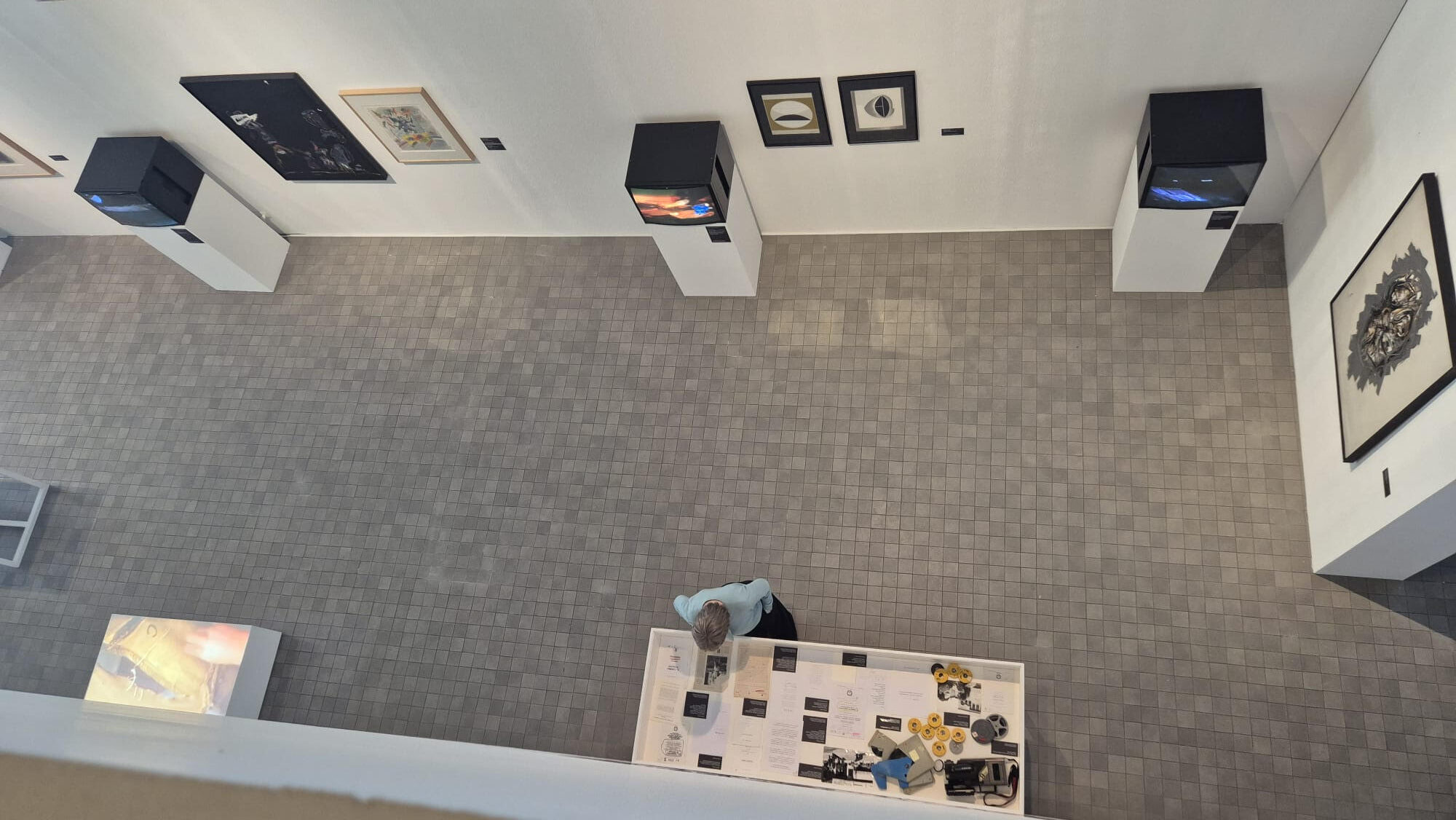
Portera Archive. Alicia Chillida with the Juan March Foundation
Alberto Portera (Zaragoza, 1928- Madrid, 2019), Professor of Neurology at the Complutense University of Madrid, achieved great professional and academic achievements throughout his life. He specialized in Neurology and Psychiatry in the United States, Georgetown and Maryland. Aragonese by birth and vocation, he obtained his degree in 1950, the year in which he traveled to Paris where he met Eduardo Chillida, Pablo Palazuelo and Narciso Yepes. He worked at the head of medical units in public hospitals such as the 12 de Octubre in Madrid.
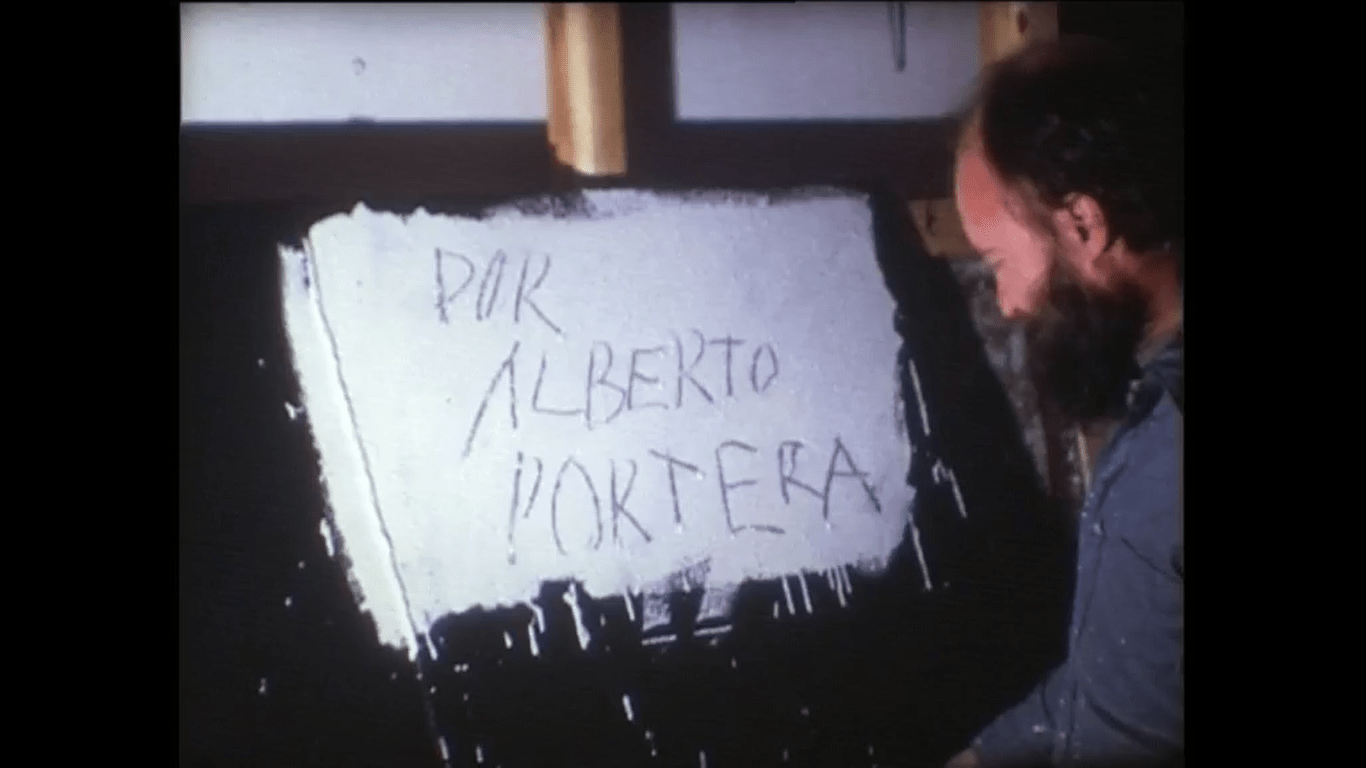
Lover of his profession and passionate about art, with an extraordinary people skills and expansive energy, Portera hides an innovative artistic trait as an author of documentary films in super 8 mm, in which he films, above all, artists and intellectuals in a tireless way, during the sixties, seventies and eighties. This is the central feature of the exhibition project Portera Archive presented by the Fundación Juan March, in context with the collection of works of art that he assembled throughout his life, in addition to his personal archive, unpublished until today. More than fifty super 8 film and video tapes filmed by Portera of artists are the subject of his research: Bonifacio, José Guerrero, Charles and Geraldine Chaplin, Chirino, Fernández Alba, Amadeo Gabino, Millares, Mompó, Antonio Saura/Asger Jorn, Carlos Saura, Pablo Serrano and Gustavo Torner, among others. As part of his archive we find speeches by the author at sessions of the Royal Academy of Fine Arts of San Fernando and the Spanish Royal National Academy of Medicine. Portera and his wife, Catherine Caillau, turned their house in "Mataborricos" into a meeting place where all those intellectuals and artists who wanted to respond to Portera's open call met on Sundays. intelligentsia Elvireta Escobio considers him a true philanthropist and calls him "the last humanist".
Portera's films, his written testimonies and his art collection are a vestige of his life and a portrait of the cultural environment of an era that is linked to the generation of the artists of the Museo de Arte Abstracto de Cuenca and the Museo de Arte Abstracto de Cuenca. with the cultural context of the time: Grupo 15, of which Portera was a founding member; as well as other artistic and intellectual nuclei: the Juana Mordó and Theo Galleries, with professionals like Elvira González at the helm, and other agents such as Eusebio Lázaro, Carmen Giménez, Armando Montesinos, María de Corral, Helga de Alvear and Elvireta Escobio, among others. On the occasion of this exhibition, the FJM has carried out the digitalization of the documentary material of the Portera archive. In addition, documenting with interviews, either in video or written format, the memory and experience of these people in their relationship with Portera.
Alberto Portera's research illuminates the reality of an essential historical moment in the transition of contemporary art and science, that of the 1960s in Spain. Beyond appreciating the aesthetic value of a work of art, Portera is interested in what ultimately endures: the feeling and passion with which the artist creates, the impulse that leads him to discover something new. This moment is endowed with enormous significance by the author and is captured by his camera that films the potential of the artists during the very process of creation. This is his personal way of portraying what is inside art, a neuroscientific look that introduces us fully into a new field of research, from two points of view that converge: art-science. In this interest in the brain, he explains the important role played by this organ in the observation of the work of art and points out the "high levels of aesthetic emotion in the educated human brain and the ability to transform it into mental flow". A work of art is capable of creating emotions in the spectator, communicating with him and establishing a dialogue. The work does not begin and end, it endures, it continues to speak for itself.
Abstract painting has forced today's spectator to develop visual perception systems that allow him to intensely analyze the work and discover aesthetic contents that, being personal, may be different from those proposed by the artist himself. This thus educated observing brain, in a certain way, acts as a creative instrument that adds emotional data and complements those of the painter himself.
Alberto Portera
Involved in an incessant intellectual activity, Alberto Portera is the author of poetry, film scripts and essays in which he highlights the natural coexistence of art and science, his two passions. The neuron as a work of art, Les Demoiselles d'Avignon, Aging in the 21st century or Music as symptom, Nine ideas about Goya, are some of the titles contained in this precious legacy, largely unpublished, which is shown to the public for the first time, in exhibition format and accompanied by a publication. This exhibition is a recognition to Alberto Portera from the point of view of art and science, in gratitude to the society he served and enhanced.